What Is Newborn Screening?
Newborn screening is a simple test done soon after birth. It checks for certain health problems in babies. Because these tests can find issues early, babies can get help right away. In most hospitals, newborn screening is done before your baby goes home. According to the CDC, this process helps spot rare but serious conditions that may not show symptoms at first.
Why Is Newborn Screening Important?
Early testing can make a big difference for your baby. For example, some health problems can cause harm if not treated quickly. However, newborn screening can catch these issues before they become serious. As a result, babies can get the care they need sooner. The importance of newborn screening for babies is well known among doctors and nurses. It helps prevent long-term health problems and can even save lives.
Common Conditions Detected by Newborn Screening
Newborn screening looks for several rare conditions. While the exact list may vary by state or country, most programs check for:
In addition, some places test for more conditions. You can ask your doctor which conditions are detected in newborn screening in your area. The CDC and WHO both support these tests because they help find problems early.
How the Screening Process Works
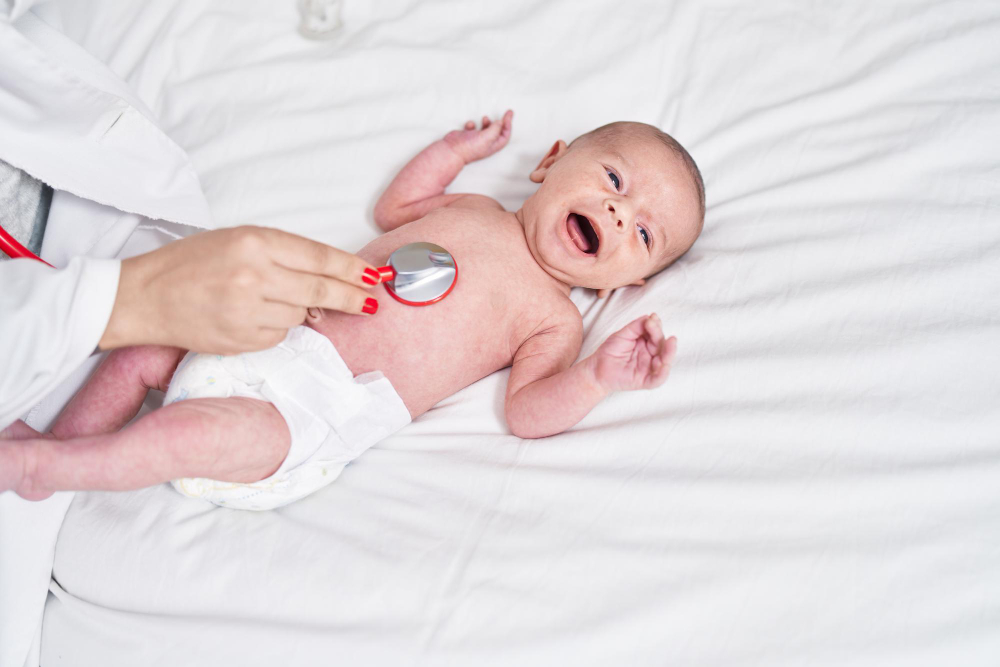
The newborn screening process is quick and safe. First, a nurse will take a few drops of blood from your baby’s heel. This is called a heel prick. Next, the blood is sent to a special lab for testing. In many hospitals, a hearing test and sometimes a heart check are also done. Because these tests are routine, your baby will not need to stay longer in the hospital.
What Parents Can Expect During and After Screening
During the screening, your baby may cry for a moment. However, the pain is mild and goes away quickly. After the test, you can hold and comfort your baby right away. Most results come back within a few days. If a problem is found, your doctor will contact you. In most cases, babies pass all the tests and no further action is needed.
Understanding Results and Next Steps
Most parents get normal results. This means no health problems were found. However, sometimes the test may show a possible issue. If this happens, your doctor will explain what it means. Often, a second test is needed to be sure. Even if a condition is found, early treatment can help your baby stay healthy. For more details, you can visit the CDC’s newborn screening page or talk to your healthcare provider.
Frequently Asked Questions About Newborn Screening
Start your journey towards better well-being with us.