What is Hypothyroidism?
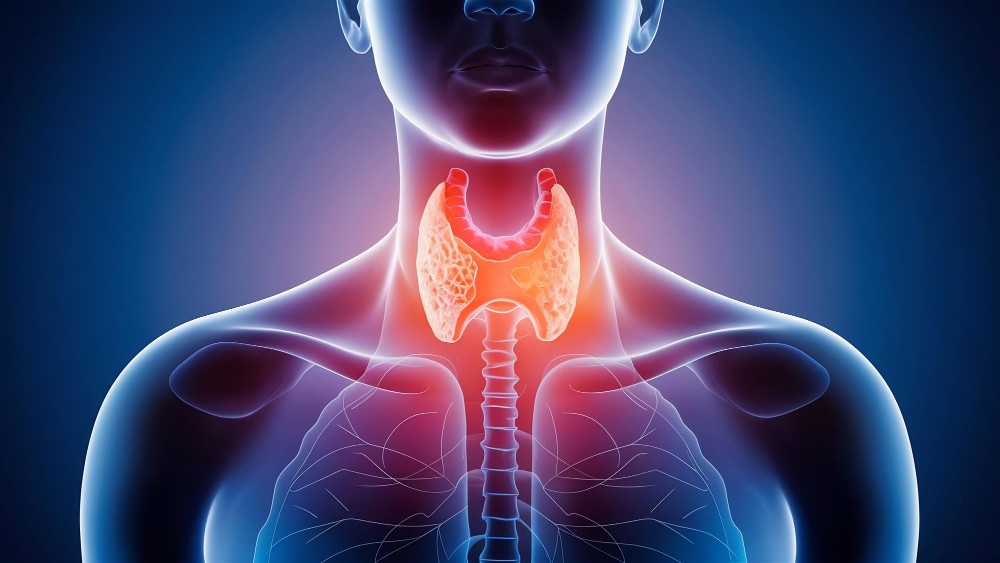
Hypothyroidism means your thyroid gland does not make enough thyroid hormone. This hormone helps control your body’s energy and metabolism. Because of this, low levels can slow down many body functions. The thyroid is a small, butterfly-shaped gland in your neck. For many women, early signs of hypothyroidism in women can be easy to miss at first. However, knowing these signs can help you take action early.
Why Women Are at Higher Risk
Women are more likely to develop hypothyroidism than men. In fact, according to the CDC, women are five to eight times more likely to have thyroid problems. One reason is that thyroid issues often link to autoimmune diseases, which are more common in women. Also, hormone changes during pregnancy or menopause can affect thyroid health. Because of these factors, women should stay alert to thyroid symptoms.
Early Signs and Symptoms of Hypothyroidism in Women
Early signs of hypothyroidism in women can be mild and easy to overlook. Still, it helps to know what to watch for. Common early symptoms include:
Sometimes, these symptoms may seem like normal changes. However, if they last or get worse, it is important to consider thyroid testing.
When to Consider Thyroid Testing
It can be hard to know when to get tested for hypothyroidism. Yet, certain signs mean you should talk to your doctor. For example, if you have several symptoms listed above, testing is wise. Additionally, if you have a family history of thyroid disease, you may need to get checked sooner. Women who are pregnant or planning a pregnancy should also ask about thyroid testing. Early testing helps prevent health problems for both mother and baby.
How Hypothyroidism is Diagnosed
Doctors use blood tests to check thyroid function. The most common test is the TSH (thyroid-stimulating hormone) test. High TSH levels often mean your thyroid is underactive. Sometimes, doctors also check T4 and T3 hormone levels. In some cases, they may test for thyroid antibodies. These tests help find the cause of hypothyroidism. Your doctor will explain what the results mean and what steps to take next.
Treatment Options for Hypothyroidism
Treatment for hypothyroidism is usually simple. Most people take a daily pill called levothyroxine. This medicine replaces the missing thyroid hormone. Because the right dose is important, doctors check your blood often at first. Over time, they may adjust your dose to keep hormone levels steady. With treatment, most symptoms improve within a few weeks. However, you may need to take medicine for life.
Lifestyle Tips for Managing Hypothyroidism
Along with medicine, healthy habits can help manage thyroid symptoms in women. For example, you can:
Because some foods and supplements can affect your medicine, always talk to your doctor before making changes.
Preventive Measures and Regular Screening
Regular screening helps catch thyroid problems early, especially for women at higher risk. For instance, women over age 60 or with a family history should ask about screening. Also, if you have other autoimmune diseases, your doctor may suggest regular thyroid checks. Early action can prevent serious health issues. Staying informed and watching for thyroid symptoms in women helps protect your health.
Conclusion
If you notice signs of hypothyroidism or have concerns about your thyroid health, schedule a consultation with Dr. Badar Shaik. Early testing and advice can help you feel your best.