What Is Self-Medication With Antibiotics?
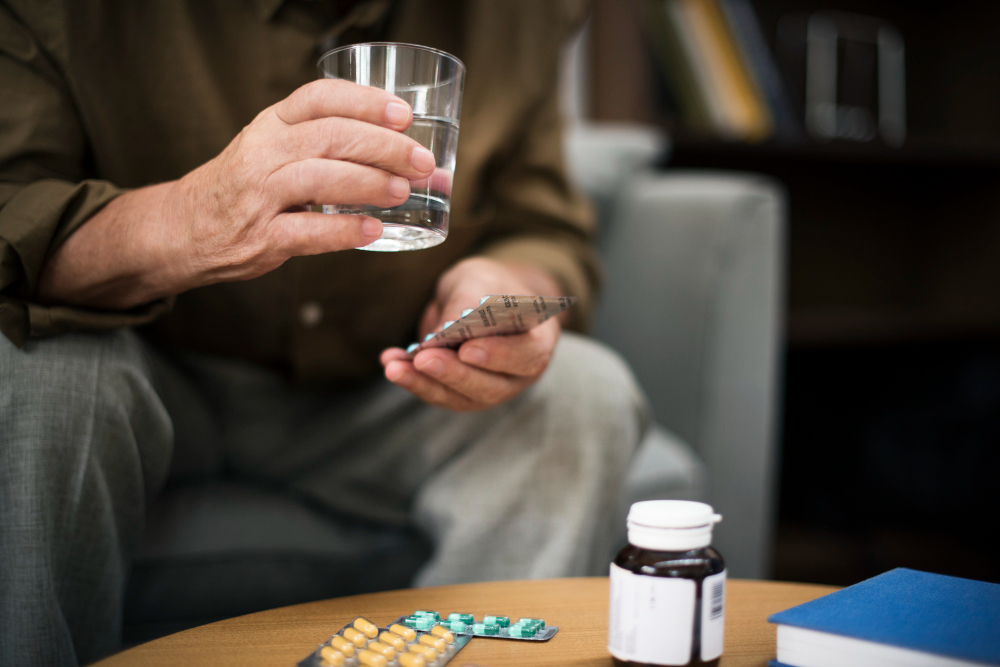
Self-medication with antibiotics means taking these drugs without a doctor’s advice. Many people use leftover pills or buy antibiotics without a prescription. Sometimes, they take medicine meant for someone else. However, antibiotics are strong drugs that treat infections caused by bacteria. They do not work for viruses, like the common cold or flu. Because of this, using them wrongly can cause harm. The World Health Organization (WHO) warns against self-medicating with antibiotics. In many places, laws require a prescription for these medicines. Still, some people ignore these rules and treat themselves at home.
Common Reasons People Take Antibiotics Without a Prescription
Many people think antibiotics can cure any infection. As a result, they may take them for sore throats, coughs, or colds. But these illnesses are often caused by viruses. In addition, some people want quick relief and do not want to visit a doctor. Others use leftover antibiotics from a past illness. Sometimes, friends or family share their medicine. In some countries, antibiotics are easy to buy at local pharmacies without a prescription. Because of these reasons, self-medication with antibiotics is common. Yet, this practice is risky and can lead to serious problems.
Risks and Dangers of Self-Medicating With Antibiotics
Taking antibiotics without a doctor’s advice can be dangerous. First, you may choose the wrong drug or dose. This can lead to side effects, such as rashes, stomach pain, or diarrhea. Sometimes, allergic reactions can be severe. Moreover, antibiotics can kill good bacteria in your body. This may cause other health issues, like yeast infections. The dangers of self-medicating antibiotics are even higher in children. According to the CDC, children are more likely to suffer from side effects. Additionally, using antibiotics when you do not need them can make bacteria stronger. This is called antibiotic resistance. Because of these risks, always talk to a doctor before taking antibiotics.
How Antibiotic Resistance Develops
Antibiotic resistance happens when bacteria change and become stronger. As a result, the medicine no longer works against them. When people take antibiotics without a prescription, they often use them the wrong way. For example, they may stop taking the drug too soon. Or, they may take it for the wrong illness. Over time, this helps bacteria learn how to survive. The Centers for Disease Control and Prevention (CDC) says that antibiotic resistance is a growing problem worldwide. Because of this, some infections are now harder to treat. In children, antibiotic resistance can lead to longer sickness and more hospital visits. Therefore, it is important to use antibiotics only when needed and as prescribed.
Recognizing Symptoms That Require Professional Medical Advice
Not every illness needs antibiotics. However, some symptoms mean you should see a doctor right away. For example, if you have a high fever that does not go away, you need medical help. Also, if you have trouble breathing, chest pain, or severe headaches, see a doctor. In children, watch for signs like a stiff neck, trouble waking up, or a rash that spreads quickly. Because some infections can be serious, do not wait too long to get help. Only a doctor can decide if antibiotics are needed. This is why prescription is important for antibiotics.
Safe Practices and Prevention Tips
To stay safe, always follow your doctor’s advice about antibiotics. Never use leftover medicine or share it with others. Instead, finish the full course if your doctor prescribes antibiotics. This helps kill all the bacteria. Also, do not pressure your doctor for antibiotics if they say you do not need them. In addition, wash your hands often to prevent infections. Vaccines can also protect you from some illnesses. According to the WHO, using antibiotics wisely helps keep them effective for everyone. If you live in an area where antibiotics are easy to get, be extra careful. Only take them when a doctor says it is necessary.